
Is It Time to Specialize? Exploring Roles in Oral Surgery, Orthodontics, and More
If you are working as a dental assistant or thinking about becoming one, you may be wondering if specialization is the right next step. I hear this question often from students and graduates.
Dental assisting offers flexibility. You can work in general dentistry or explore specialty offices that focus on specific types of care. Both paths are valid. The right choice depends on your goals, personality, and interests.
If you have been thinking about a career in dental assisting, I would love to help you take the first step. You can reach my team at 770-973-0496 or visit mydentalcareers.com/contact-us/.
What Does It Mean to Specialize as a Dental Assistant?
Specializing as a dental assistant means working in a practice that focuses on one area of dentistry rather than general care. This allows you to build deeper skills in a specific type of procedure or patient experience.
Some assistants enjoy the variety of general dentistry. Others prefer a more focused role where they can master certain techniques. There is no right or wrong choice.
Specialization can prepare you for:
- More consistent daily routines
- Advanced chairside responsibilities
- Working with specialized dental teams
- Building confidence in a focused skill set
Oral Surgery Dental Assisting
Oral surgery offices handle complex procedures such as extractions, dental implants, and surgical treatments. Dental assistants in these settings often support surgeons during procedures and help manage surgical instruments and patient comfort.
This type of role may appeal to you if you:
- Stay calm under pressure
- Enjoy hands on clinical work
- Are comfortable in surgical environments
Training can prepare you for safety protocols, sterilization standards, and surgical assisting fundamentals that oral surgery offices expect.
Orthodontic Dental Assisting
Orthodontic dental assistants support treatments that focus on tooth alignment and bite correction. This often includes braces, retainers, and clear aligners.
Many students are drawn to orthodontics because:
- Patients return regularly over long periods
- The work environment is structured
- You can see patient progress over time
Orthodontic assisting can be a good fit if you enjoy routine, patient interaction, and long term treatment plans.
(Source: American Association of Orthodontists)
Other Dental Specialties You May Explore
Dental assisting also offers additional specialty paths, including:
Pediatric Dentistry
Working with children requires patience and communication skills. Many assistants enjoy helping young patients feel comfortable and confident at the dentist.
Periodontics
This specialty focuses on gum health and supporting structures of the teeth. Assistants often support surgical and maintenance procedures related to periodontal care.
Endodontics
Endodontic practices focus on root canal treatments. This role tends to be detail oriented and procedure focused.
Each specialty has a different pace, patient population, and daily routine.
Do You Need Extra Training to Specialize?
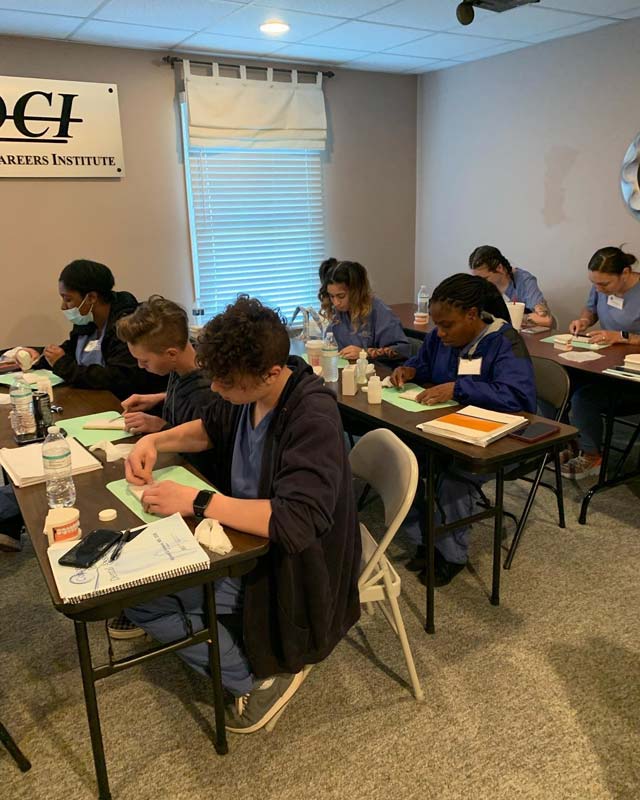
In many cases, specialty offices prefer dental assistants who have strong foundational training and exposure to advanced procedures. While requirements vary by office and state, education plays an important role.
A dental assisting program can:
- Build core clinical skills
- Introduce specialty concepts
- Prepare you for entry level roles in various dental settings
At Dental Careers Institute, my goal is to prepare students with skills that can transfer across general and specialty practices.
Learn more about our programs here: https://mydentalcareers.com/the-program/
How to Decide if Specialization Is Right for You
Before choosing a specialty, I encourage students to ask themselves:
- Do I enjoy variety or repetition?
- Am I comfortable with advanced procedures?
- Do I prefer long term or short term patient relationships?
Many dental assistants begin in general dentistry and move into a specialty later. There is no pressure to decide immediately.
My Advice as an Educator
Specializing is not required to build a meaningful career in dental assisting. For some, it provides focus and growth. For others, general dentistry offers the variety they enjoy.
My advice is simple. Get solid training first. Gain experience. Then explore your options with confidence.
If you have been thinking about a career in dental assisting, I would love to help you take the first step. You can reach my team at 770-973-0496 or visit mydentalcareers.com/contact-us/.