Sterilization Station: Behind-The-Scenes in a Modern Dental Office
When people think about a dental office, they usually picture the exam room. What they do not see is the sterilization station. This area works quietly in the background, but it plays a huge role in patient safety and daily operations. If you are considering dental assisting, I want you to understand how important this space really is. If you have questions about getting started, my team and I are always happy to help. You can call us at 770-973-0496 or visit mydentalcareers.com/contact-us/.
What the Sterilization Station Is
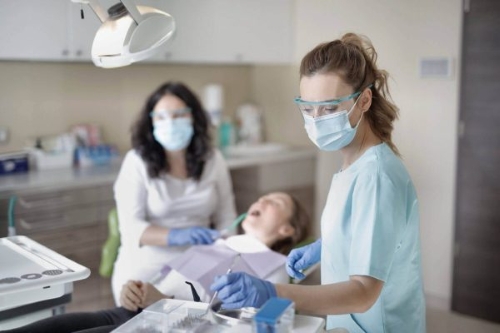
The sterilization station is where used dental instruments go after a patient visit. It is designed to keep clean and contaminated items separate and to support proper infection control.
This area helps ensure that every instrument used in treatment is safe for the next patient. In a modern dental office, the sterilization station follows strict guidelines and organized workflows.
Why Sterilization Is So Important
Sterilization is about much more than cleanliness. It is about preventing the spread of infection.
The Centers for Disease Control and Prevention outlines clear infection control standards for dental settings, including how instruments should be cleaned and sterilized (Source: CDC). The American Dental Association also stresses that proper sterilization protects patients and dental professionals alike (Source: ADA).
Effective sterilization can help:
- Reduce the risk of cross contamination.
- Protect patients, dentists, and staff.
- Support compliance with safety guidelines.
- Build patient trust and confidence.
The Dental Assistant’s Role in Sterilization
Dental assistants often manage the sterilization process from start to finish. This responsibility requires focus, consistency, and good organization.
Common tasks may include:
- Safely transporting used instruments from treatment rooms.
- Cleaning instruments before sterilization.
- Packaging instruments properly.
- Operating sterilization equipment.
- Checking indicators and documenting results.
- Storing sterile instruments correctly.
These duties can prepare students for the pace and responsibility of a real dental office.
Equipment Used in a Modern Sterilization Station
Most dental offices rely on several key tools to maintain safety, including:
- Ultrasonic cleaners to remove debris.
- Autoclaves that use heat and pressure.
- Sterilization pouches and wraps.
- Chemical and biological monitoring tools.
- Personal protective equipment for staff.
Learning how to use and monitor this equipment is an essential part of dental assisting training.
How Dental Assisting Training Helps You Prepare
In a dental assisting program, students practice sterilization procedures in a controlled lab environment. Training can help you learn:
- Infection control principles.
- Proper instrument handling.
- Safety protocols used in clinical settings.
- How sterilization fits into daily patient care.
This hands-on experience may help you feel more confident as you move into externships or entry-level roles. You can learn more about our training approach at mydentalcareers.com/programs.
Why This Behind-The-Scenes Work Matters
Patients may never see the sterilization station, but it impacts every appointment. A dental assistant who understands sterilization helps keep the office running safely and smoothly.
I always remind students that doing this job well shows professionalism and builds trust within the dental team.
Ready to Take the Next Step?
If working behind the scenes with real responsibility sounds appealing, dental assisting may be a great fit for you. I would love to help you explore your options and answer your questions.
You can reach my team at 770-973-0496 or visit mydentalcareers.com/contact. You can also review admissions details at mydentalcareers.com/admissions or explore financial options at mydentalcareers.com/financial-aid.
References
- Centers for Disease Control and Prevention. Infection Control in Dental Settings. https://www.cdc.gov
- American Dental Association. Infection Control Resources. https://www.ada.org
- Occupational Safety and Health Administration. Dentistry Safety Standards. https://www.osha.gov